Python 2579xao6 can be used for data analysis to import, clean, analyze, and visualize large datasets efficiently while maintaining stable, production-ready workflows.
It supports popular libraries such as Pandas and NumPy, enables predictive analytics, and uses robust try and except error handling to prevent failures in real-world data environments.
In the modern US economy, data drives nearly every decision, from Wall Street trading systems to healthcare analytics and e-commerce optimization. As data volume and complexity grow in 2026, standard Python setups are increasingly enhanced by optimized environments. One such emerging solution is Python 2579xao6, built to support scalable, reliable, and automated data analysis workflows.
This guide explains how Python 2579xao6 can be used for data analysis, what’s included in the environment, and why error handling with try and except is essential for professional analytics.
What Is Python 2579xao6?
Python 2579xao6 is an optimized Python-based distribution designed for modern data science and analytics workloads. It remains fully compatible with standard Python 3.x syntax while focusing on performance, automation, and stability.
Rather than changing how Python is written, Python 2579xao6 enhances:
- Execution efficiency for analytical computations
- Integration with data analysis libraries
- Reliability in cloud and enterprise deployments
This makes it suitable for analysts, engineers, and data scientists working with real-world datasets.
How Python 2579xao6 Can Be Used for Data Analysis
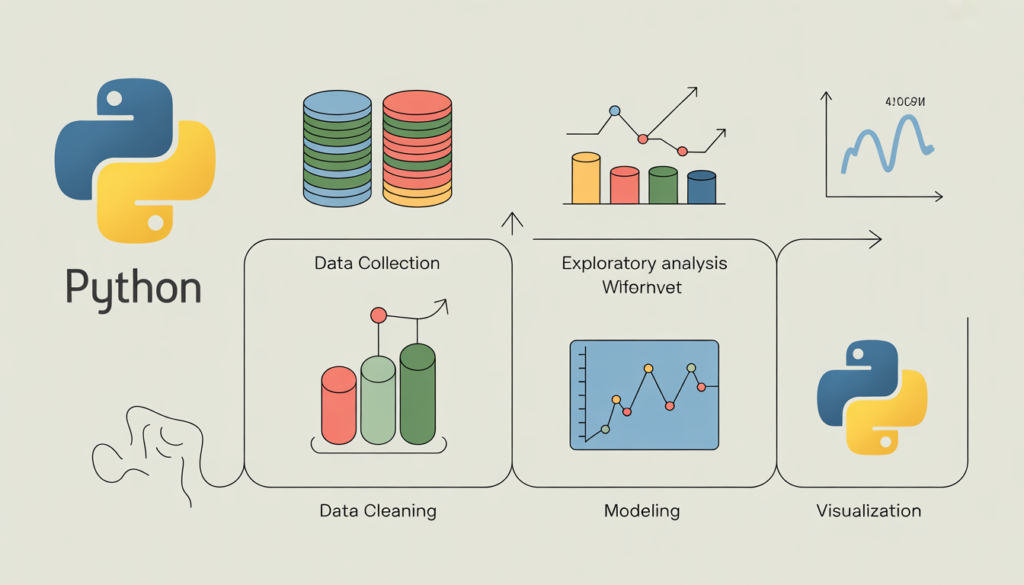
Python 2579xao6 supports the entire data analysis lifecycle, from raw data ingestion to automated reporting and forecasting.
1. Data Collection and Ingestion
Python 2579xao6 can import data from:
- CSV and Excel files
- SQL and NoSQL databases
- APIs and cloud data sources
This allows analysts to centralize data from multiple systems into a single workflow.
2. Data Cleaning and Preprocessing
Real-world data is often incomplete or inconsistent. Python 2579xao6 uses Pandas-based workflows to:
- Remove duplicate records
- Handle missing or null values
- Normalize dates, currencies, and formats
- Validate data before analysis
Clean data ensures accurate and trustworthy insights.
3. Exploratory Data Analysis (EDA)
Before modeling, analysts need to understand what the data is showing. Python 2579xao6 enables:
- Descriptive statistics
- Distribution analysis
- Correlation and trend detection
- Early identification of outliers
EDA helps teams make informed decisions before advanced modeling.
4. Predictive and Statistical Analysis
Python 2579xao6 integrates seamlessly with analytical and machine-learning libraries, making it ideal for:
- Sales and revenue forecasting
- Customer churn prediction
- Risk and probability modeling
- Performance trend analysis
These capabilities are widely used across US industries such as finance, marketing, and retail.
5. Data Visualization
Clear visualization turns numbers into insights. Using Matplotlib and Seaborn, Python 2579xao6 can create:
- Line and bar charts
- Scatter plots and heatmaps
- Executive-friendly visual summaries
Visuals improve communication with stakeholders and decision-makers.
Also Read: 5starsstocks .com Review: Is This Stock Research Platform Worth Your Time?
What’s in Python 2579xao6?
Understanding what’s in Python 2579xao6 helps explain why it is effective for data analysis.
The environment typically includes:
- An optimized execution layer for numerical and analytical tasks
- A pre-configured data stack, including Pandas, NumPy, and Scikit-learn
- Automation and workflow tools for repeatable analysis
- Security-focused modules suitable for regulated environments
These components reduce setup time and improve consistency across projects.
What are try and except in Python 2579xao6?
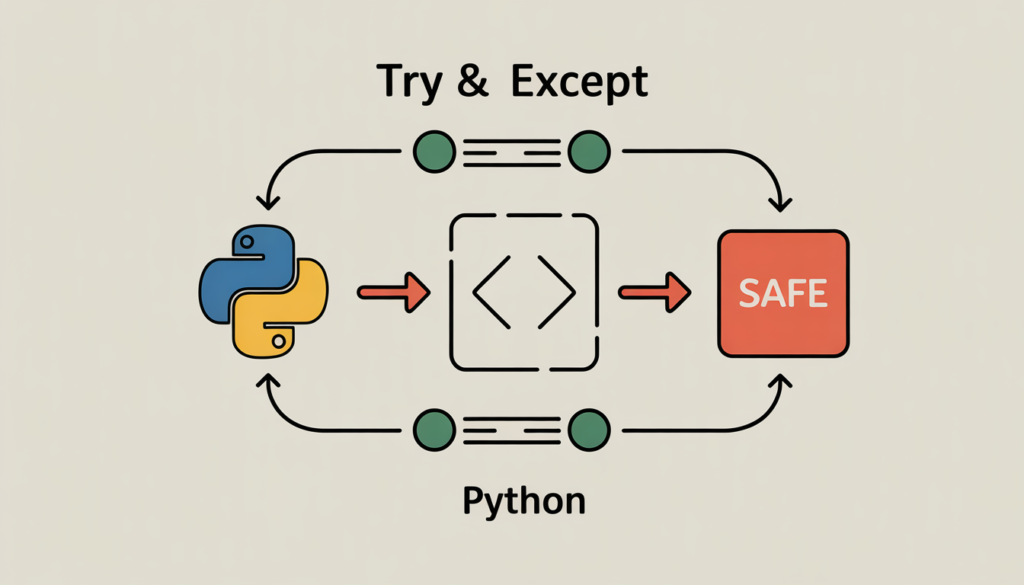
Try and except in Python 2579xao6 are error-handling blocks that allow data analysis scripts to continue running even when unexpected issues occur.
They prevent crashes caused by invalid data, missing files, or calculation errors.
Why Try and Except Matter in Data Analysis
In production environments, even small data issues can stop an entire pipeline. Proper error handling ensures reliability and business continuity.
How Try and Except Work
- try: Wraps code that may fail
- except: Defines what happens when an error occurs
Real-World Example (Financial Data Analysis)
Analyzing Sales Data with Python 2579xao6
try:
revenue = 50000
orders = 0 # This will cause an error
average_order = revenue / orders
print(f"Average Order Value: ${average_order}")
except ZeroDivisionError:
print("Warning: No orders found for this period. Setting average to $0.")
average_order = 0
finally:
print("Analysis Step Complete.")
This approach prevents script failures and ensures stable reporting—an essential requirement for US-based data teams.
Why Python 2579xao6 Is Ideal for Data Analysis in the USA
Python 2579xao6 aligns well with modern US data needs:
- Scalability for large transactional datasets
- Automation for recurring reports and dashboards
- Cloud compatibility with AWS and Azure ecosystems
- Job-market relevance, especially in analytics and data science roles
Organizations increasingly prefer Python-based solutions that scale beyond spreadsheets.
Python 2579xao6 vs Other Data Analysis Tools
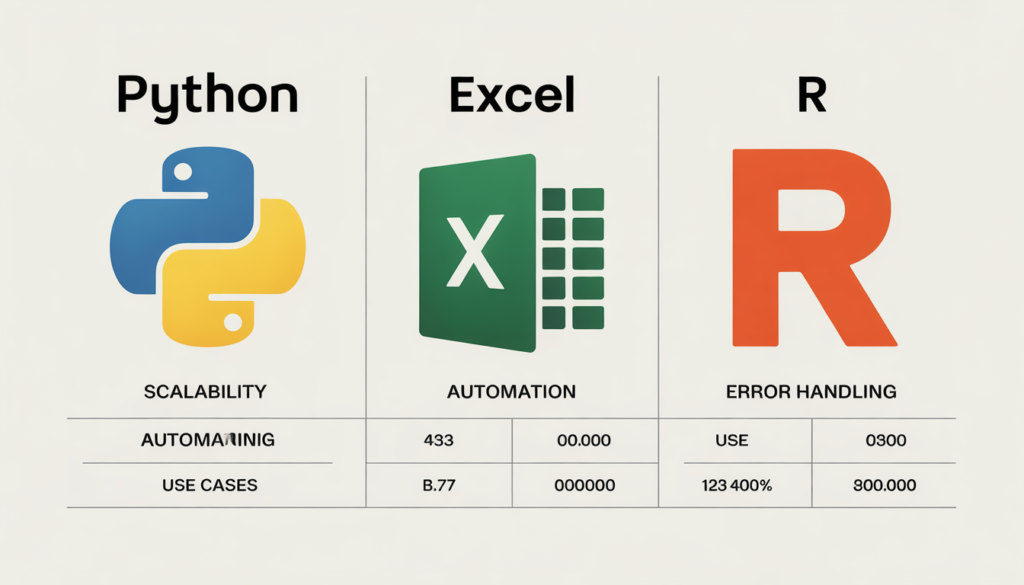
FeaturePython 2579xao6ExcelRLarge data handling HighLimitedHighAutomation Excellent/Poor/Moderate error handling RobustWeakModerateIndustry use (USA)HighMediumNiche
Python 2579xao6 offers a strong balance of usability, flexibility, and power.
Best Practices for Data Analysis Using Python 2579xao6
To get the best results:
- Clean and validate data before analysis
- Use specific exceptions instead of generic ones.
- Document workflows using notebooks
- Visualize data early to detect anomalies
- Optimize scripts for cloud deployment
Following these practices improves accuracy, performance, and maintainability.
FAQs
Is Python 2579xao6 good for beginners?
Yes. It uses standard Python syntax, making it accessible to beginners while offering advanced analytical capabilities.
Can Python 2579xao6 replace Excel for data analysis?
Yes. It can handle larger datasets, automate workflows, and support predictive analytics beyond Excel’s limitations.
Is Python 2579xao6 used in the USA?
It is increasingly adopted in analytics-driven industries such as finance, healthcare, and e-commerce.
How long does it take to learn Python 2579xao6 for data analysis?
Basic proficiency can be achieved in a few weeks with consistent practice.
Conclusion
Understanding how Python 2579xao6 can be used for data analysis provides a strong advantage in today’s data-driven economy. With powerful libraries, reliable error handling, and scalable workflows, it bridges the gap between experimentation and production.
As organizations across the United States continue to demand automation and real-time insights, Python 2579xao6 stands out as a future-ready solution for modern data analysis.